Why LIFE ALEXANDRO

The decline of pollinating insects shows no sign of slowing down: 84% of European agricultural production depends on them. Currently, 9% of wild bee species, 40% of hoverfly species, and more than 480 butterfly species are at risk of extinction. Against this backdrop, Zoo LIFE Pollinators—a project co-funded by the European Union—brings together 16 partners across 9 countries, including zoos, universities, and other associated organizations.

A project co-financed by the European Union, within the LIFE Programme, which brings together 16 partners in 9 countries, including zoos, universities and other associated entities, of which Smart Revolution is a proud partner.

THE OBJECTIVES

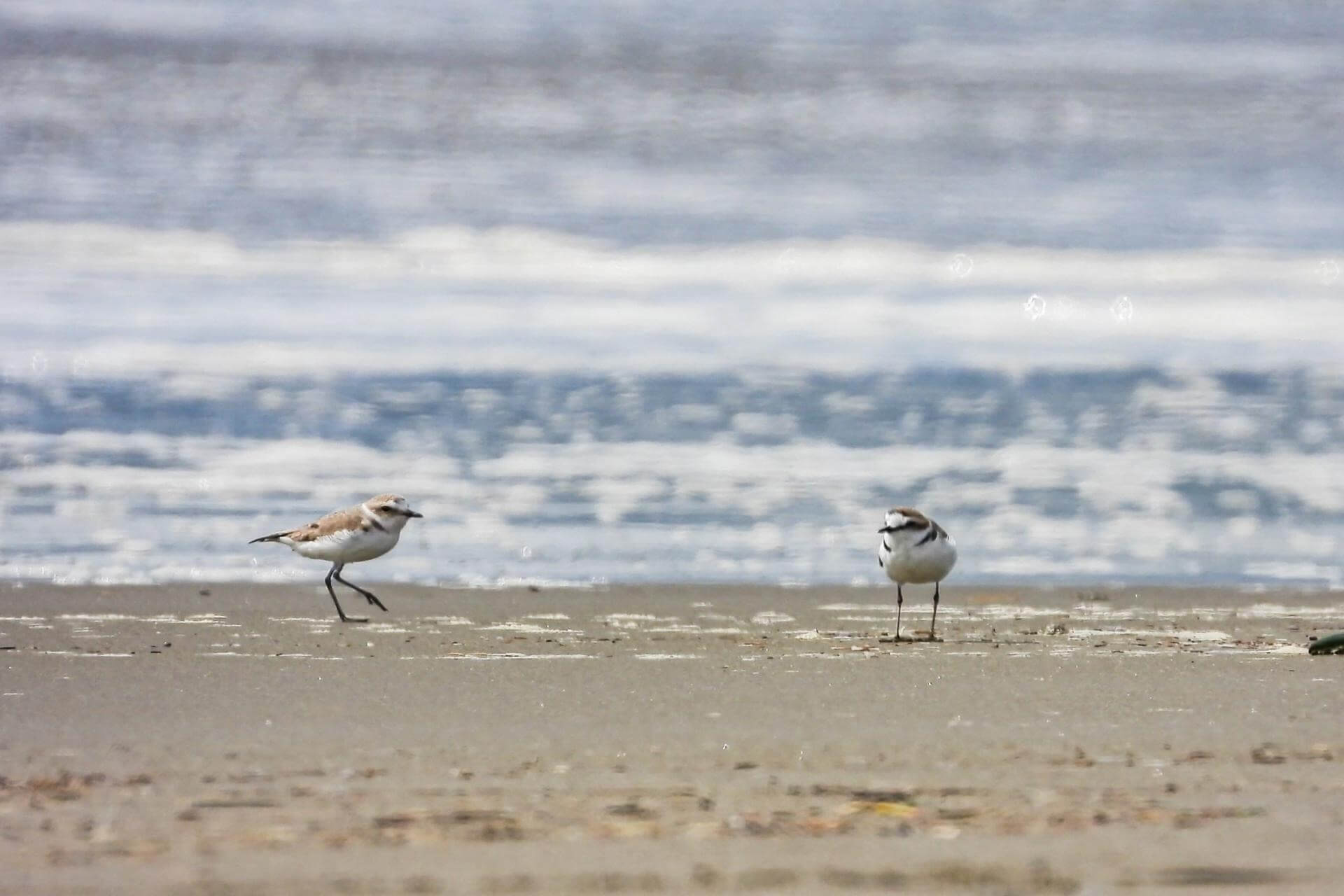
The main objective of LIFE ALEXANDRO is to improve the conservation status of the little ringed plover in Italy and Croatia.
In particular, the project aims to:
  1. Reduce direct and indirect threats; 
  2. Increase breeding success;
  3. Improve and restore coastal and dune habitats;
  4. Strengthen the Natura 2000 network through new sites and management updates;
  5. Raise public awareness and promote sustainable behaviour;
  6. Create a replicable model for coastal management and conservation.

THE ACTIONS

The project comprises a series of actions operating at various levels:
- Preparatory actions: data collection on the species and habitats, definition of scientific protocols, mapping of stakeholders and analysis of best practices;
- Field actions: nest protection, demarcation of areas, monitoring of nesting sites, restoration of dune habitats and removal of marine litter;
- Conflict mitigation actions: round-table discussions with key stakeholders (e.g. local authorities, beach managers and associations), drafting of a ‘Guide to Good Practice’;
- Communication and awareness-raising: information campaigns, educational activities, engagement of citizens, schools, tourism operators and fishermen;
- Replication and governance: development and strengthening of the Natura 2000 network and promotion of agreements with local authorities (“Pact for the Little Ringed Plover”).
- Monitoring: assessment of the effectiveness of the actions and the environmental and socio-economic impact of the project.

PROJECT AREAS

The project is being carried out across 51 sites in the Natura 2000 network, spread across 10 Italian regions (Tuscany, Lazio, Calabria, Apulia, Sardinia, Sicily, Abruzzo, Veneto, Emilia-Romagna, Friuli-Venezia Giulia) and in Croatia (Zadar)
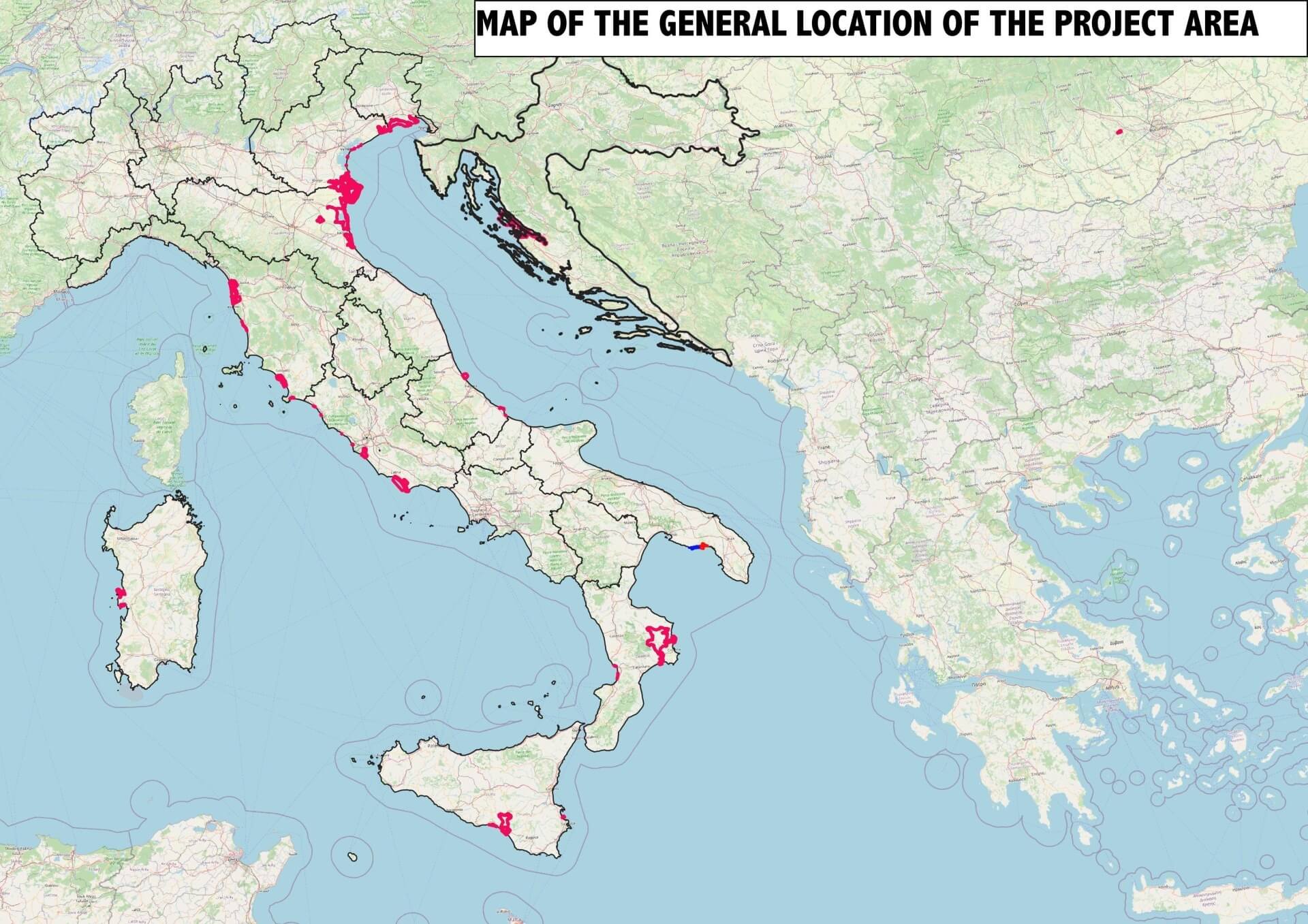
PROJECT AREAS

Istituto di Ecologia Applicata (capofila), Croatian Society for Birds and Nature Protection, Ente di Gestione per i Parchi e la Biodiversità-Delta del Po, Parco Nazionale del Circeo, Parco Regionale della Maremma, Parco Regionale Migliarino San Rossore Massaciuccoli, Istituto Superiore per la Protezione e la Ricerca Ambientale (ISPRA), Legambiente Nazionale APS Rete Associativa ETS, LIPU ODV, Ministero della Difesa Arma dei Carabinieri-Comando Unità Forestali, Ambientali e Agroalimentari, Riserve Naturali Regionali Orientate del Litorale Tarantino, SMART Revolution Srl, Università di Pisa-Dipartimento di Biologia. 

LIFE AND NATURA 2000

LIFE
The LIFE Programme is the European Union’s funding instrument for environmental protection. The overall objective of the LIFE Programme is to contribute to the implementation, updating and development of EU environmental and climate policy and legislation by co-financing projects of high European value. 
The Natura 2000 Network
Natura 2000 is a network of Sites of Community Importance and Special Areas of Conservation established by the European Union for the protection and conservation of habitats and animal and plant species of Community interest. The sites are identified by Member States on the basis of criteria defined at European level

MORE INFO

SOCIAL MEDIA

Instagram 
Facebook
Newsletter Life Alexandro