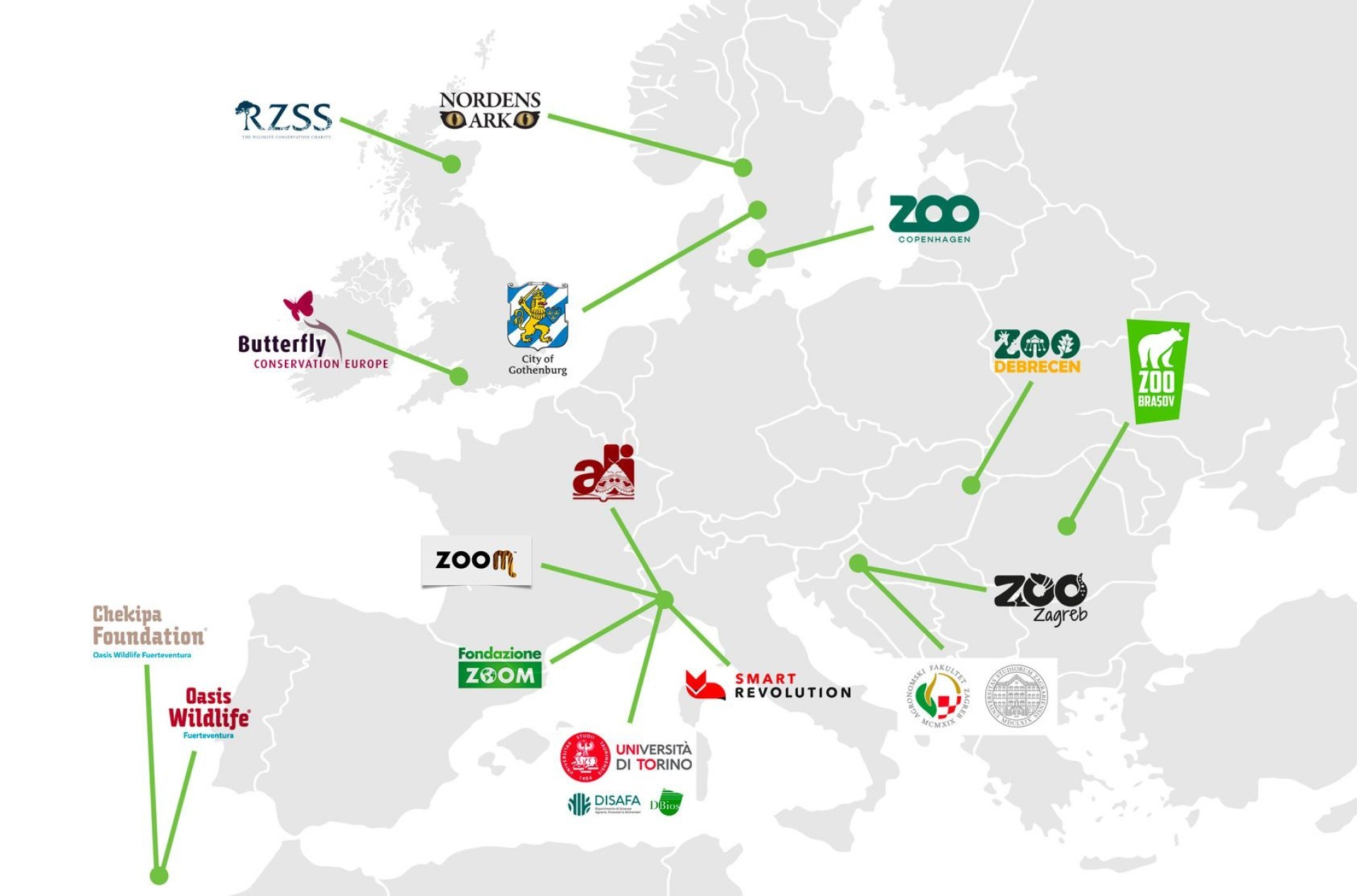
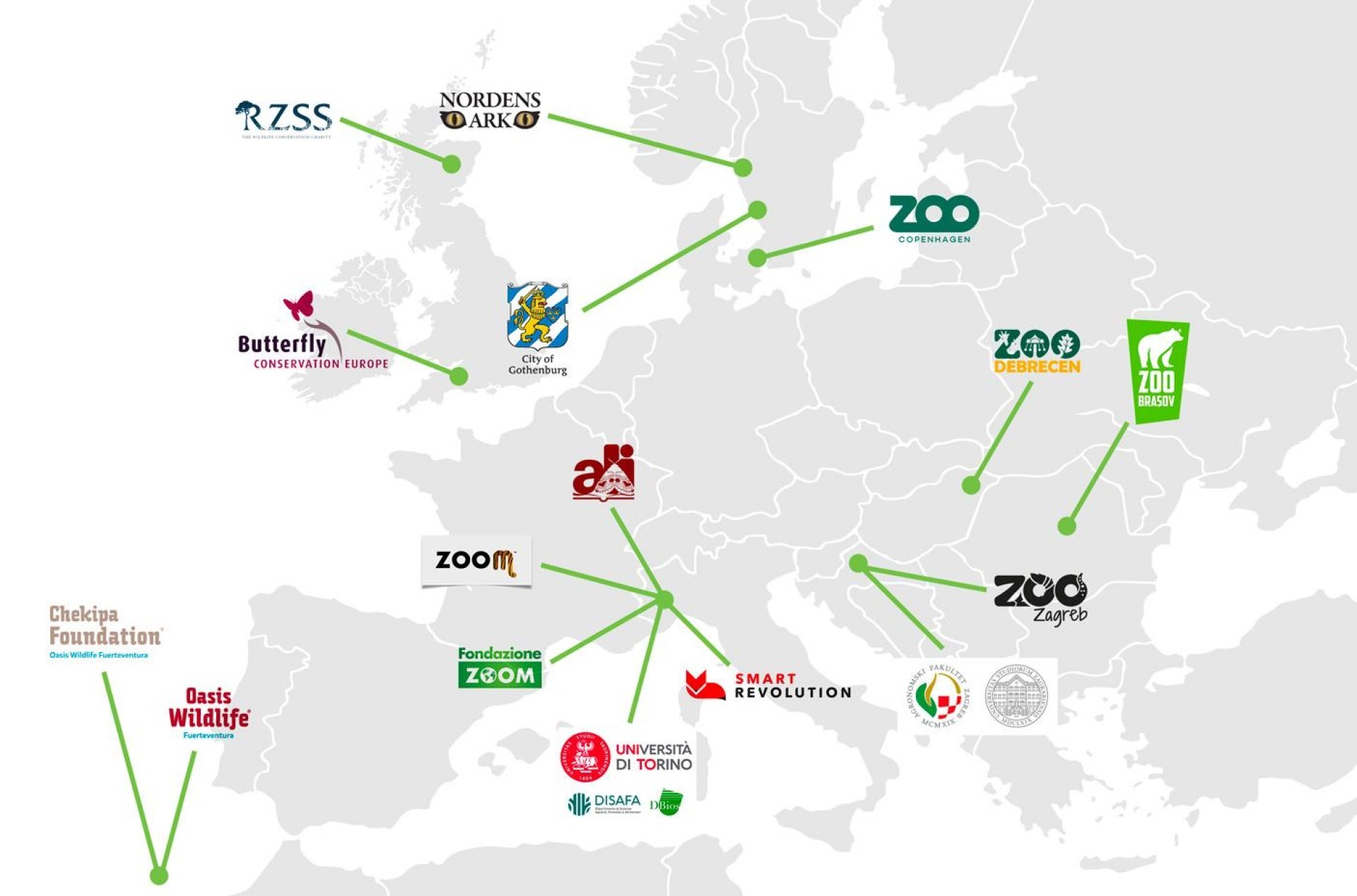
The decline of pollinating insects shows no sign of slowing down: 84% of European agricultural production depends on them. Currently, 9% of wild bee species, 40% of hoverfly species, and more than 480 butterfly species are at risk of extinction. Against this backdrop, Zoo LIFE Pollinators—a project co-funded by the European Union—brings together 16 partners across 9 countries, including zoos, universities, and other associated organizations.
A project co-financed by the European Union, within the LIFE Programme, which brings together 16 partners in 9 countries, including zoos, universities and other associated entities, of which Smart Revolution is a proud partner.
We work together to achieve the established goals
LeaderProject management & coordination / Communication & Stakeholder Egnagement
Leader Restoration and pollinator-specific initiatives
Leader Conservation activities for pollinators

Leader Educational and citizen science activities
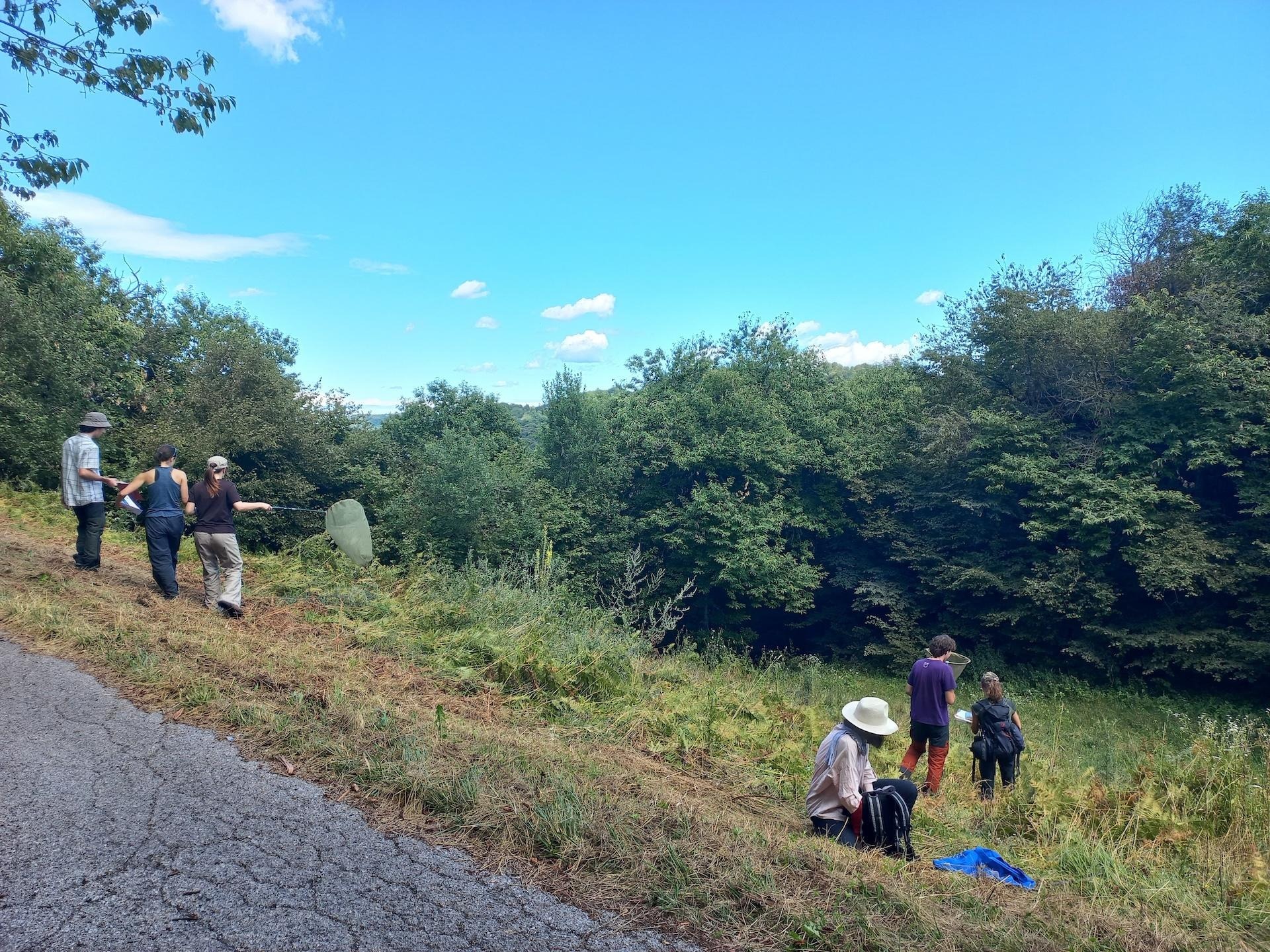
Leader Sustainability, replication and exploitation of project results
Leader Monitoring & Evaluation
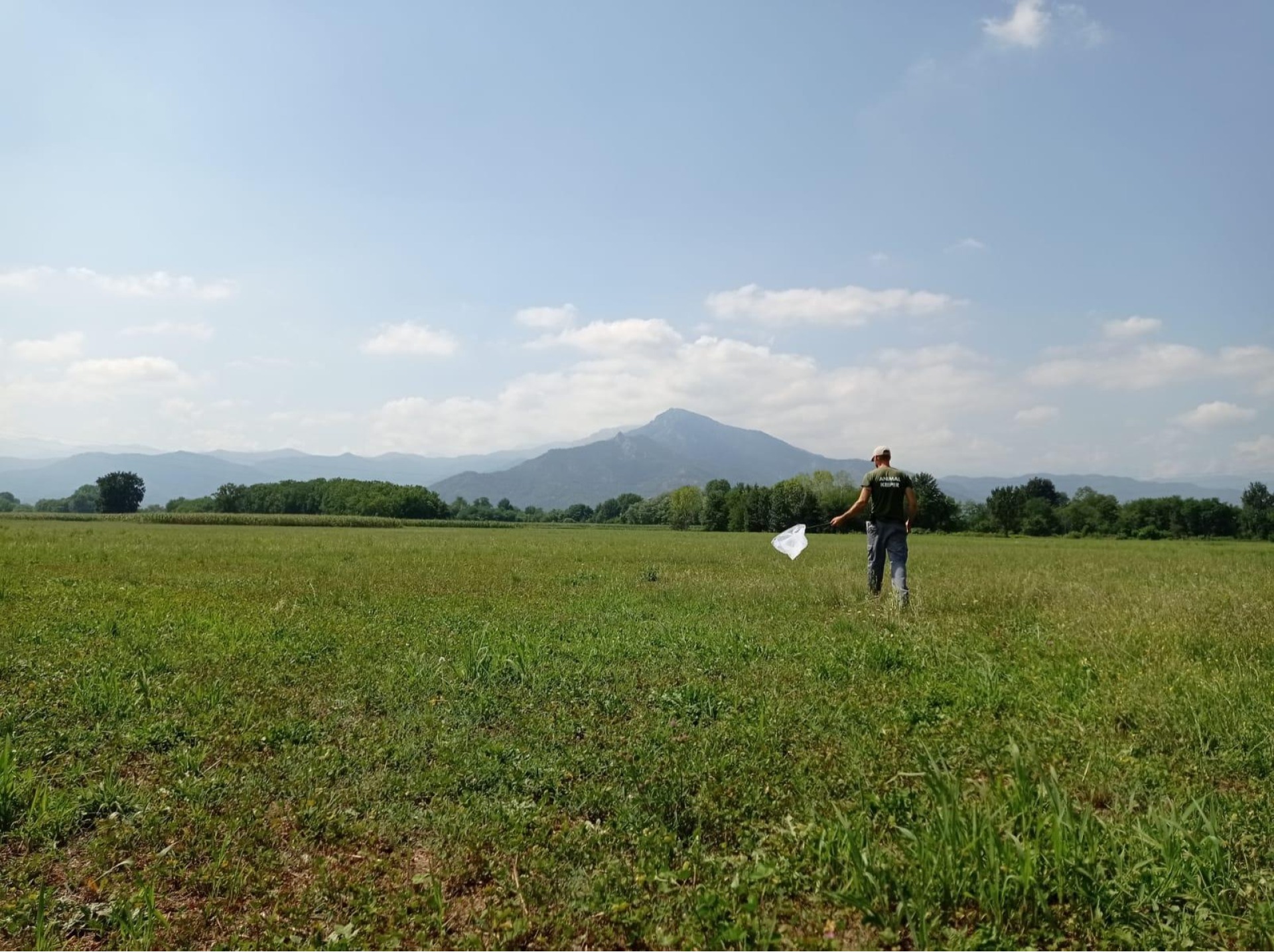
Environmental education, monitoring transect, stakeholder engagement
Habitat restoration, environmental education, monitoring transect
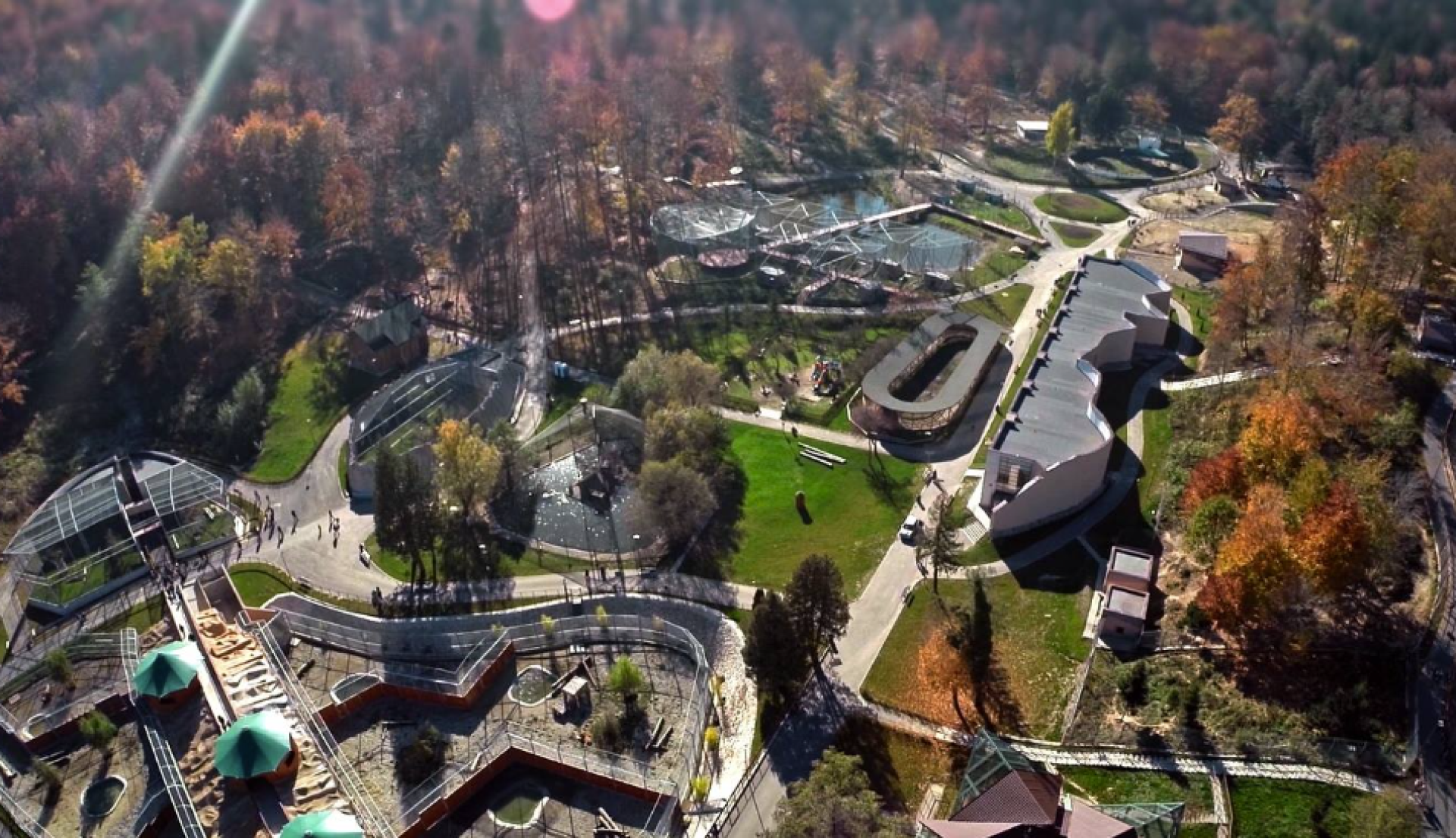
Habitat restoration, environmental education, monitoring transect

Research and cultivation of local botanic species, habitat restoration, environmental education, monitoring transect
Habitat restoration, environmental education, monitoring transect
Expert partner in applied ecology and habitat management, monitoring transect

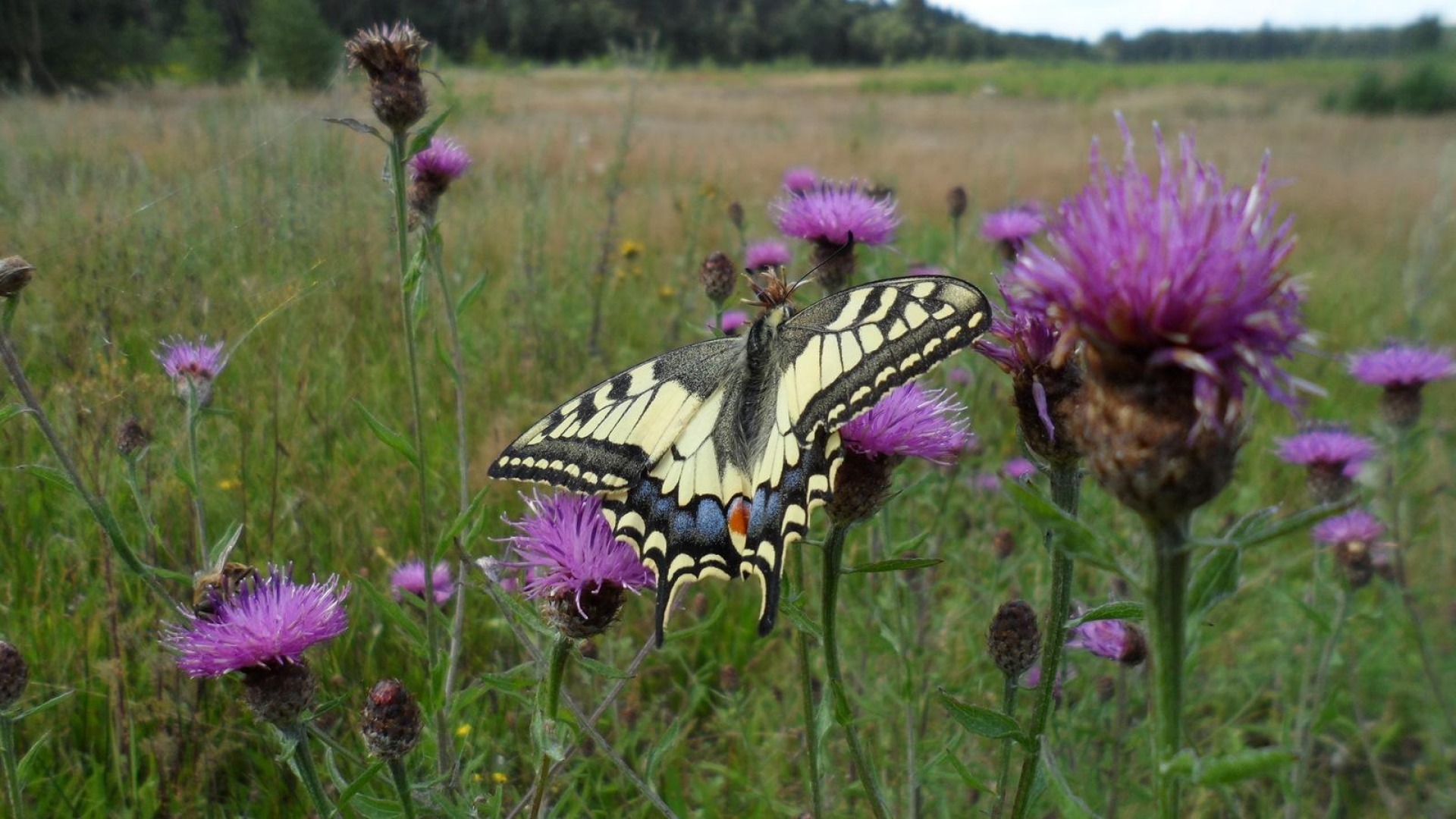

The project uses the Pollard transect methodology, adopted by the European Butterfly Monitoring Scheme (eBMS) for standardized monitoring of butterflies and, more recently, other wild pollinators. This method involves defining a fixed route of 500–1000 meters, which is walked regularly throughout the flight season to record the number and species of individuals observed. Following recommendations from the European Commission, the methodology has been extended to wild Apoidea and hoverflies to harmonize the monitoring of key pollinating insects.
The adoption and harmonization of a common survey method across all partner facilities is supported by Butterfly Conservation Europe, an associated partner that coordinates the eBMS network. In addition to entomological monitoring, Zoo LIFE Pollinators will carry out phytosociological surveys and count entomogamous floral units at five fixed 4 m² points along each partner’s transect to assess the status and effectiveness of ecological restoration measures.